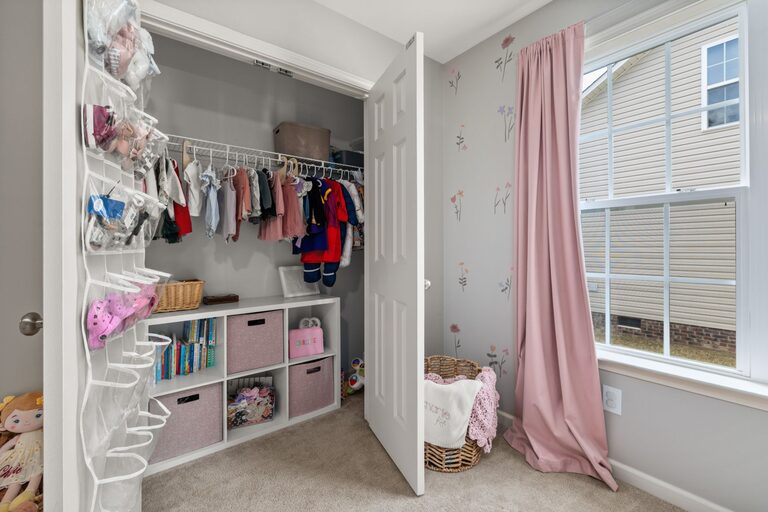
Keeping your children’s artwork organized can feel like a never-ending task. From colorful drawings to 3D crafts, kids’ creative projects accumulate quickly, often cluttering your home. But with some simple strategies, you can preserve these precious memories while maintaining a tidy space. Here are tips to help you keep kids’ art organized, accessible, and beautifully displayed.
Why Organizing Kids' Art Matters
Kids’ art is more than just paper and paint—it reflects their creativity, growth, and unique perspective. Organizing their artwork helps you:
– Celebrate their creativity regularly.
– Save sentimental keepsakes.
– Reduce clutter and maintain a clean home.
– Encourage kids to value and take pride in their creations.
Create a Dedicated Art Space
Having a specific area for art storage makes it easier to manage the collection.
1. Designate an Art Corner or Shelf
Choose a place in your home where you can keep art supplies and finished projects together. Use shelves, bins, or baskets to sort materials and artwork by type or date.
2. Use Portable Storage
Consider using a rolling cart or portable caddy for art supplies and a folder or box for finished pieces. This makes tidying up faster and artwork easier to locate.
Sort and Categorize Artwork Regularly
Instead of letting art pile up, set aside time weekly or monthly to sort through new creations.
1. Decide What to Keep
Not every piece needs to be saved. Keep items that show milestones, special occasions, or your child’s favorite projects.
2. Use Categories
Organize artwork by:
– Age or grade level
– Type of art (painting, drawing, collage)
– Theme (holidays, family, nature)
Storage Solutions for Artwork
Once sorted, use proper storage methods to protect and organize the art.
1. Portfolios and Binders
Large artist portfolios or three-ring binders with plastic sleeves can hold flat artwork neatly. Label each by year or child.
2. Storage Boxes
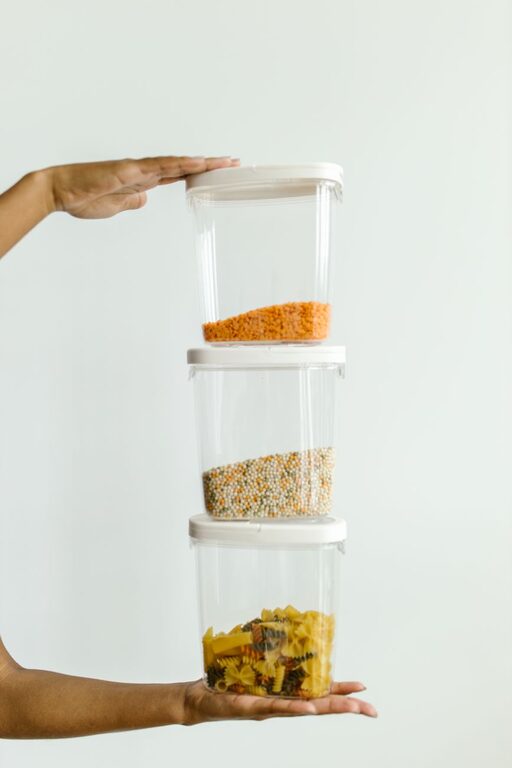
Use archival-quality storage boxes or plastic tubs to store 3D projects or bulk items. Clear boxes help you see contents easily.
3. Digital Archiving
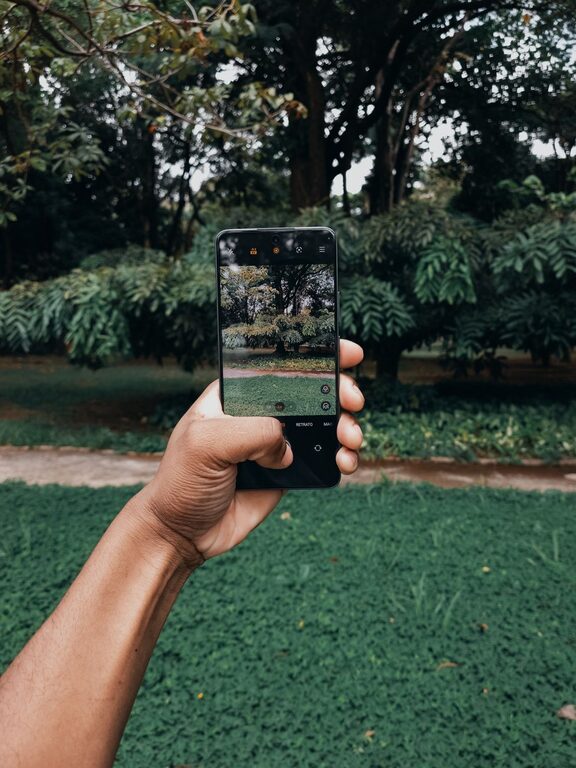
Take photos or scan artwork to create a digital archive. This reduces physical clutter and allows you to share creations with family easily.
Displaying Kids’ Art Creatively
Showcasing your child’s art boosts their confidence and adds personality to your space.
1. Rotating Gallery
Use clipboards, a bulletin board, or wire with clips to create a rotating art display. Change the artwork regularly to keep it fresh.
2. Frames and Collages
Frame select pieces or create collages to decorate walls or hallways. This transforms art into cherished décor.
3. Functional Displays
Turn art into practical items like placemats (by laminating), calendars, or greeting cards, extending their life and use.
Involve Your Child in the Process
Encourage kids to help organize their art. This teaches responsibility and appreciation for their work.
– Let them pick which pieces to keep or display.
– Help label storage boxes or binders.
– Make organizing a fun, regular activity.
Tips to Prevent Overwhelm
When the volume of artwork grows, these strategies can help you stay on top:
– Set limits (e.g., keep only 10 pieces per month).
– Recycle or repurpose artwork that isn’t saved.
– Share pieces with family or friends as gifts.
– Schedule yearly “art review” days to declutter.
Final Thoughts
Organizing your kids’ artwork is a wonderful way to honor their creativity while keeping your home orderly. With a dedicated space, smart sorting methods, thoughtful storage, and creative displays, you can cherish these moments for years to come without feeling overwhelmed. Remember, the goal is to celebrate creativity, not just manage clutter—so find a system that works best for your family and enjoy the colorful journey!
About the Author