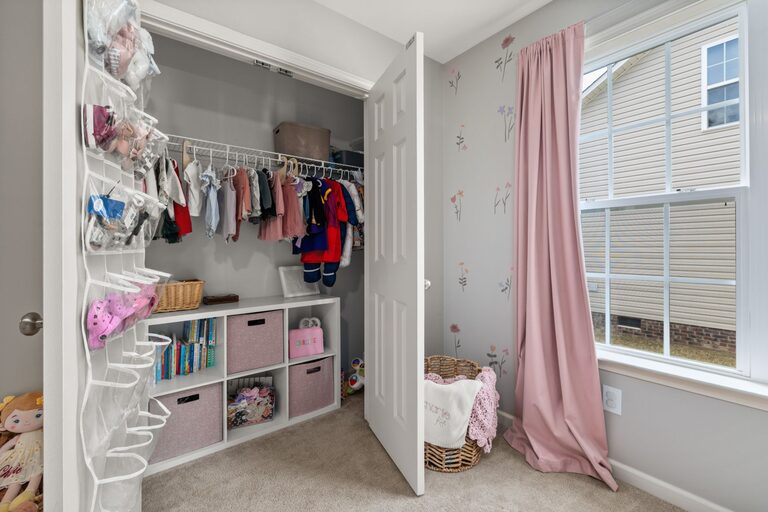
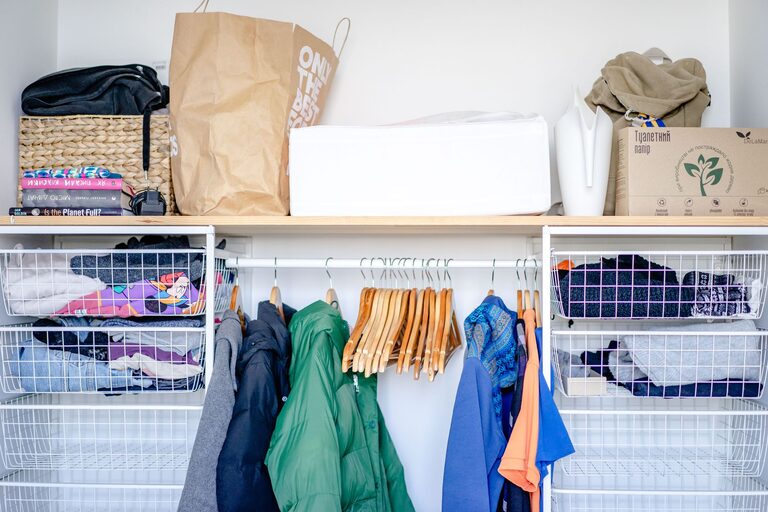
Storing seasonal clothes efficiently is a smart way to keep your wardrobe organized and protect your garments throughout the year. Whether you’re packing away winter coats or summer dresses, having a clear system helps you save space and make outfit choices easier when the season changes. In this guide, we’ll explore practical tips and creative ideas to store your seasonal clothes with ease.
Why Store Seasonal Clothes Properly?
When you tuck away clothes that aren’t currently in use, you’re not just creating space — you’re also protecting your investment. Proper storage helps prevent:
– Wrinkles and fabric damage
– Mold, mildew, and odors
– Pest infestations like moths
– Fading or discoloration
By taking a little time to store your clothes carefully, you can keep them fresh and ready to wear when the season returns.
Step 1: Sort and Declutter Before Storing
Before packing anything away, take some time to sort through your clothes. Ask yourself:
– Have I worn this recently?
– Does it fit well?
– Is it in good condition?
Consider donating or recycling items you no longer need. The fewer clothes you store, the more space you save!
Step 2: Clean Clothes Thoroughly
Always clean your clothes before storage. Dirt, oils, and stains can attract insects and cause damage. Depending on the garment:
– Wash or dry clean as instructed on the care label
– Make sure clothes are completely dry to avoid mildew
If items need repair, fix them before storing to avoid piling up tasks later.
Step 3: Choose the Right Storage Containers
The type of container you use matters. Here are common options:
Plastic Bins with Lids
– Protect clothes from moisture and pests
– Transparent bins help you see the contents easily
– Use bins that seal tightly but allow some air circulation to prevent condensation
Fabric Storage Bags
– Breathable and gentle on fabrics
– Good for delicate items
– Can be stored under beds or on closet shelves
Vacuum-Sealed Bags
– Save a lot of space by compressing bulky items
– Keep out moisture and pests
– Best for non-delicate fabrics like sweaters and coats
Avoid cardboard boxes if you want to prevent moisture and insect problems over time.
Step 4: Use Proper Folding and Packing Techniques
How you fold and pack your clothes can minimize wrinkles and damage.
– Fold clothes neatly along natural creases
– Layer garments with tissue paper between delicate fabrics
– Roll items like t-shirts and leggings to save space
– Place heavier items at the bottom of containers and lighter ones on top
For items like suits, dresses, and coats, consider hanging them in garment bags if you have closet space.
Step 5: Store in a Cool, Dry Place
Where you store your seasonal clothes is just as important as how you store them.
– Avoid basements or attics prone to humidity and temperature fluctuations
– Choose a closet, under-bed storage, or a dedicated storage room
– Keep containers off the floor to prevent moisture damage
– Add silica gel packets or cedar blocks to absorb moisture and deter pests
Step 6: Label Your Storage
Labeling your containers saves time when you need to find something later.
– Use clear, descriptive labels like “Winter Sweaters” or “Summer Dresses”
– Include the year if you rotate clothes seasonally
– Consider color-coding for quick identification
Additional Tips to Maintain Seasonal Clothes
– Air out stored clothes occasionally if possible
– Check for any signs of pests or damage every few months
– Treat wool and natural fibers with moth repellent options like cedar or lavender
– Keep receipts or notes of dry cleanings and repairs with your clothes
Conclusion
With thoughtful sorting, cleaning, and storage methods, you can keep your seasonal clothes in great shape and free up space in your everyday wardrobe. Using the right containers, storing in proper conditions, and labeling will make seasonal transitions smoother and your closet clutter-free. Try these tips to extend the life of your garments and enjoy a more organized home all year long!
About the Author