Choosing the right notebook may seem like a straightforward task, but many people end up buying one that rarely gets used. Whether you want to jot down ideas, keep a journal, or organize your to-do lists, the perfect notebook can make a big difference in staying motivated and productive. This guide will help you identify the key features to look for so that your new notebook becomes a daily companion rather than a forgotten purchase.
Why Choosing the Right Notebook Matters
A notebook isn’t just a collection of pages—it’s a tool that supports your creativity, focus, and planning. When you enjoy using your notebook, you’re more likely to write regularly, which can boost your productivity and help you track progress over time. Conversely, a notebook that feels uncomfortable or unsuited to your needs can quickly end up collecting dust.
Consider Your Purpose
Before diving into colors and designs, start by thinking about how you plan to use your notebook. Different purposes call for different features.
Journaling or Personal Writing
If you plan to keep a diary or write daily reflections, choose a notebook with smooth, quality paper that feels pleasant to the touch. Medium-sized notebooks (like A5) are popular here because they are portable but still offer enough space for longer entries.
Note-taking or Study
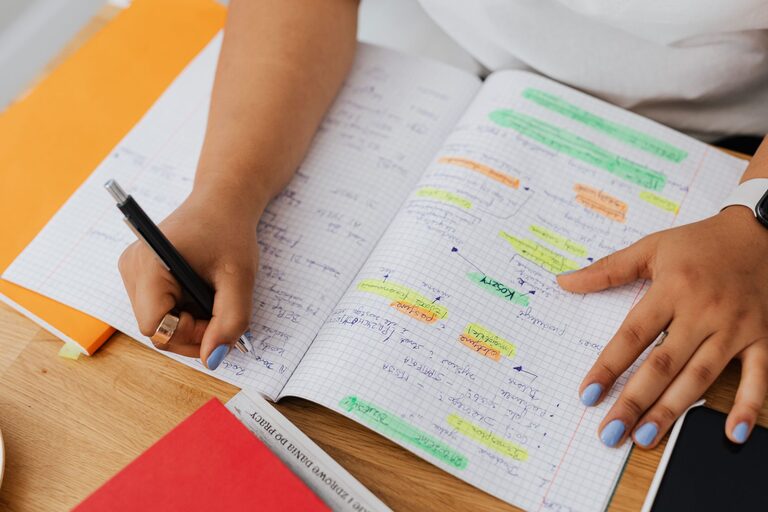
Students or professionals taking notes might prefer notebooks with ruled lines or grid patterns to keep handwriting neat. Consider options with perforated pages for easy removal, or notebooks that lie flat to simplify writing.
Sketching or Creative Work
Artists and designers need thicker, unlined pages that can handle ink or markers without bleeding through. Look for notebooks with heavier paper weight and a sturdy cover to protect your sketches.
Lists and Planning
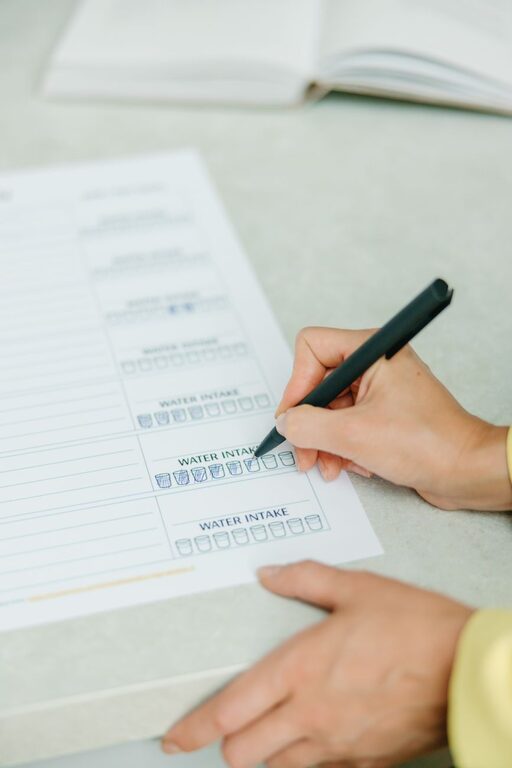
For daily planners and to-do lists, notebooks with pre-made templates or sections can be helpful. Bullet journals are a popular choice because they allow customization with dot grids.
Size and Portability
Notebooks come in many sizes, and your choice should reflect where and how you plan to use it.
– Pocket-sized (A6 or smaller): Easy to carry anywhere, great for quick notes or ideas on the go. However, limited writing space.
– Medium-sized (A5): A versatile size that fits in most bags and is comfortable for writing at a desk or while traveling.
– Large (A4 or letter size): Offers plenty of space but is less portable. Ideal for extensive note-taking or detailed planning.
Paper Quality and Type
Paper quality impacts your writing experience and the longevity of your notes.
– Paper weight: Measured in gsm (grams per square meter), higher gsm means thicker paper. Standard notebooks usually have 70-80 gsm, which works for most pens. Choose 90 gsm or heavier for markers and fountain pens to prevent ink bleed-through.
– Lined, blank, or dotted: Lined paper helps keep writing orderly, blank is ideal for sketches and freeform ideas, and dotted is popular for bullet journaling.
– Acidity: Acid-free paper resists yellowing and deterioration, making it a good choice for preserving important notes.
Binding and Durability
How a notebook is bound affects how easy it is to write in and carry around.
– Spiral-bound: Allows the notebook to lie flat and pages to fold back. Good for note-taking but can get bent in bags.
– Sewn or stitched: More durable and lies flat fairly well, often looks more professional.
– Glue-bound (perfect binding): Sleek but may not lay flat easily, better for light use.
– Hardcover vs. softcover: Hardcover notebooks protect pages better and last longer, while softcovers are lighter and more flexible.
Aesthetic and Personal Preference
You’re more likely to use a notebook that appeals to you visually and feels comfortable to handle.
– Choose colors and cover designs that inspire you.
– Consider texture and material—some prefer leather or faux leather for a premium feel.
– Think about additional features like pockets, bookmarks, elastic bands, or pen loops for convenience.
Test Before You Buy
If possible, visit a store and hold different notebooks in your hands. Test the paper with your favorite pen to see how the ink behaves. Pay attention to how it feels under your fingers and whether the size fits your style of writing.
Tips to Make Your Notebook a Habit
Once you have your ideal notebook, here are some tips to ensure you use it regularly:
– Keep it in a visible place where you tend to write or work.
– Set a daily or weekly time dedicated to writing or planning.
– Personalize the first few pages with an index or key to help navigate.
– Use colorful pens or stickers to make it fun and engaging.
Final Thoughts
Choosing a notebook you’ll actually use comes down to understanding your own habits and needs. Whether for work, creativity, or personal reflection, the right combination of size, paper quality, binding, and design will turn your notebook into a trusted tool that supports your goals. Take the time to find one that fits your lifestyle, and you’ll be surprised at how much more you write and organize effortlessly.
Happy journaling!
About the Author